
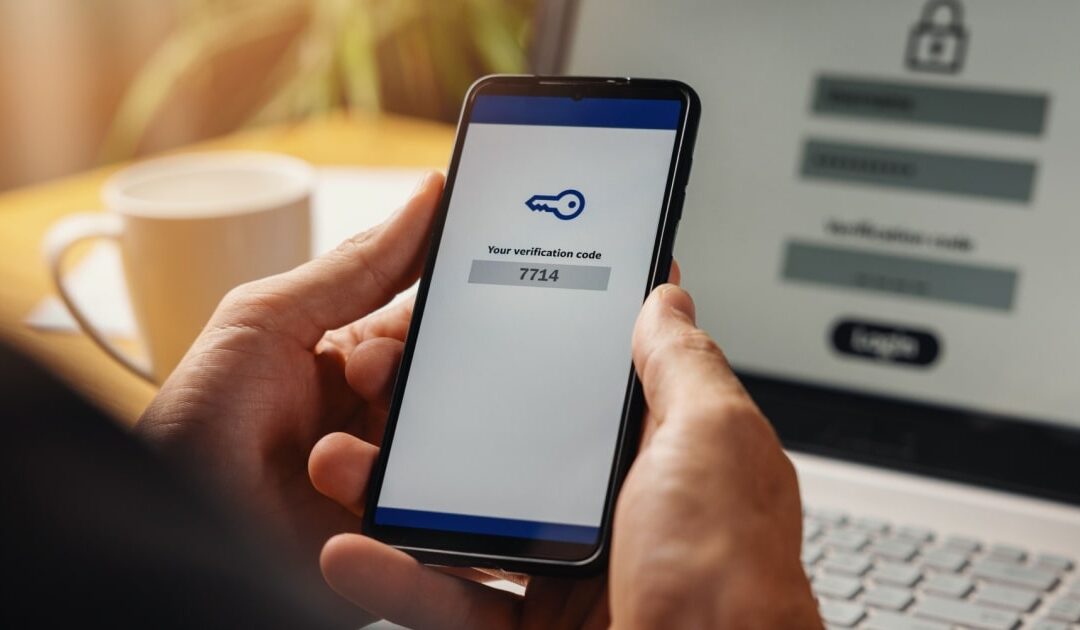
Multi-factor authentication (MFA) has become a cornerstone of cybersecurity, offering an extra layer of protection by requiring users to verify their identity through multiple steps. While it is an essential defence against unauthorized access, MFA is not invulnerable to modern cyber threats. Attackers have developed sophisticated methods to bypass or exploit these systems, exposing businesses to unexpected vulnerabilities.
Understanding the limitations of multi-factor authentication (MFA) is crucial for organizations aiming to fortify their cybersecurity defences. Relying solely on MFA can create a false sense of security, especially in the face of evolving attack vectors like session token theft, phishing-resistant methods, and insider threats. Below, we explore 10 surprising limitations of MFA and strategies to enhance your organization’s cybersecurity.
10 Surprising Limitations of MFA
1. Susceptibility to Session Token Theft
Session tokens are critical to modern authentication, allowing users to remain logged in during active sessions. However, attackers can exploit these tokens through malware infections, phishing attacks, or man-in-the-middle strategies. Once a session token is stolen, the attacker can impersonate the user and bypass MFA entirely.
How to mitigate this risk:
- Token expiration policies: Reduce the lifespan of session tokens to minimize exposure.
- Session monitoring: Implement real-time session tracking to detect unusual activities, such as access from unrecognized devices or locations, and terminate compromised sessions.
- Encrypted storage: Store session tokens in secure, encrypted formats to make them harder to steal.
2. Vulnerabilities to Phishing Attacks
Despite MFA’s intent to strengthen authentication, it remains vulnerable to advanced phishing attacks. Cybercriminals can trick users into providing both their login credentials and MFA codes by mimicking trusted services or IT support.
Solutions to combat phishing vulnerabilities:
- Adopt phishing-resistant MFA methods: Use FIDO2 standards or hardware security keys, which rely on cryptographic signatures instead of codes, making them immune to phishing.
- Implement Security Awareness Training (SAT): Educate employees to recognize and report suspicious emails and websites.
- Deploy anti-phishing technology: Use email filtering, domain monitoring, and threat intelligence to block phishing attempts.
3. Challenges with Biometric MFA
While biometric authentication offers convenience, it is not without its flaws:
- Biometric spoofing: Attackers can replicate fingerprints, facial patterns, or voiceprints using sophisticated techniques, undermining security.
- False negatives: Users may be denied access due to system errors or environmental factors, such as lighting or smudged fingerprints.
- Permanent data risk: Unlike passwords, biometric data cannot be reset if compromised, raising long-term security concerns.
Enhancing biometric security:
- Combine biometric methods with other authentication factors for multi-layered protection.
- Use liveness detection to ensure the biometric input is from a live individual, not a replica.
- Encrypt and store biometric data in isolated, secure systems to prevent data theft.
4. Lack of Protection Against Insider Threats
MFA effectively keeps external attackers out but cannot prevent breaches caused by insiders with legitimate access. Malicious insiders, negligent, or rogue employees can use their credentials to exfiltrate data or enable unauthorized access.
Mitigation strategies:
- Behavioural analytics: Monitor user behaviour to detect anomalies, such as unusual file downloads or access attempts outside regular hours.
- Granular access control: Limit employees’ access to sensitive systems or data based on their roles and responsibilities.
- Privilege monitoring: Regularly review and adjust user permissions to prevent excessive access.
5. Integration Challenges with Legacy Systems
Older IT infrastructures can pose significant obstacles when integrating MFA solutions. Many legacy systems lack the APIs, protocols, or compatibility required to implement modern authentication methods, leaving organizations with patchy security coverage.
Solutions to overcome integration barriers:
- Perform system audits to identify incompatible systems and vulnerabilities.
- Upgrade or replace outdated infrastructure to support modern security protocols.
- Use middleware solutions to bridge compatibility gaps between legacy systems and MFA tools.
6. MFA Fatigue Attacks
MFA fatigue occurs when users are overwhelmed by repeated authentication requests, often caused by attackers flooding the user with prompts. Exhausted or confused users may eventually approve a fraudulent request just to stop the barrage.
How to address MFA fatigue:
- Authentication throttling: Limit the number of MFA prompts within a set timeframe to prevent abuse.
- Smart notifications: Clearly label authentication requests with location, time, and device information to help users identify legitimate activity.
- Advanced verification: Add secondary verification steps, such as requiring a PIN or biometric input, when multiple prompts are detected.
7. SIM Swapping Vulnerabilities
MFA systems relying on SMS-based authentication codes are highly vulnerable to SIM swapping. In these attacks, fraudsters convince mobile carriers to transfer a victim’s phone number to a new SIM card under their control, enabling them to intercept authentication codes.
Mitigation tactics:
- Transition to app-based authenticators like Google Authenticator or Microsoft Authenticator, which are not tied to mobile numbers.
- Adopt hardware tokens like YubiKeys, which generate authentication codes independently of mobile networks.
- Work with telecom providers to implement strict protocols for SIM card changes, such as requiring in-person verification.
8. Brute Force Attacks on MFA Codes
Short, time-sensitive codes used in MFA can be vulnerable to brute force attacks if attackers can make unlimited guesses or bypass rate-limiting measures.
Preventive measures:
- Implement rate limiting to restrict the number of allowed login attempts within a set period.
- Increase OTP complexity by using longer codes or alphanumeric combinations.
- Employ account lockout policies to temporarily disable accounts after repeated failed attempts.
9. User Experience and Adoption Challenges
Complex or poorly implemented MFA systems can lead to user frustration, decreased productivity, and even attempts to bypass the system entirely. This creates potential security gaps and undermines the adoption of MFA.
Addressing user experience issues:
- Offer convenient methods like push notifications or biometric options for quicker authentication.
- Educate users on the importance of MFA and provide clear instructions on setup and use.
- Continuously refine the balance between usability and security to encourage widespread adoption.
10. Misconfigurations and Poor Implementations
MFA systems are only as effective as their configuration. Misconfigured MFA settings, such as weak policies or improper integration, can create vulnerabilities instead of enhancing security.
Ensuring effective implementation:
- Regularly audit MFA configurations to identify and fix gaps.
- Follow established best practices for secure deployments, such as enforcing strong password policies alongside MFA.
- Monitor system performance to ensure MFA tools work seamlessly across all platforms.
Addressing these 10 limitations reveals the need for a more comprehensive approach to cybersecurity. As cybercriminals continue to evolve their methods, the future of authentication lies in advanced technologies such as AI-driven monitoring, phishing-resistant innovations, and Zero Trust frameworks.
Future Trends in Authentication and Cybersecurity
AI Integration in MFA
Artificial intelligence (AI) is revolutionizing authentication by enhancing the detection of anomalies in login behaviour. AI-powered systems can identify potential threats based on user patterns, such as unusual access times or locations and brute force attacks, and automatically trigger additional verification steps. This dynamic approach adds a layer of intelligence to MFA, making it more adaptive to modern cyber risks.
Phishing-Resistant Authentication Innovations
Passwordless authentication methods, including hardware security keys and biometrics, are rising. These technologies eliminate shared secrets, such as passwords or OTPs, which are vulnerable to phishing attacks. Instead, they rely on unique factors that are harder for attackers to replicate or intercept. The Canadian Centre for Cyber Security recommends implementing phishing-resistant MFA to enhance account security. Adopting these methods is expected to grow as businesses seek more resilient authentication solutions.
Zero Trust Security Framework
Zero Trust frameworks are becoming an essential component of enterprise cybersecurity. By assuming no user or device is inherently trustworthy, Zero Trust enforces continuous verification and applies least-privilege access principles. MFA plays a crucial role in this framework, ensuring that even authenticated users are continuously monitored and re-validated throughout their sessions.
Decentralized Authentication
Emerging technologies like blockchain-based authentication are gaining attention due to their potential to address MFA’s weaknesses. Decentralized systems reduce reliance on central authorities, making it harder for attackers to target a single point of failure. While still in the early stages, this approach could redefine authentication security in the future.
Behavioural Biometrics
Continuous authentication through behavioural biometrics, such as monitoring typing patterns or mouse movements, is becoming a powerful tool for cybersecurity. Unlike static biometrics, behavioural methods offer ongoing validation throughout a session, making it harder for attackers to maintain unauthorized access undetected.
Strengthening Security Beyond MFA
While MFA is a valuable layer of defence, relying on it alone leaves businesses vulnerable to advanced cyber threats. Understanding the limitations of MFA—such as susceptibility to session token theft, phishing attacks, and insider threats—highlights the need for a more comprehensive security approach.
Complementary strategies like phishing-resistant authentication, behavioural analytics, and Zero Trust frameworks provide the added layers to protect against modern attack vectors. Innovations in AI, passwordless methods, and decentralized authentication further enhance the ability to detect and mitigate threats.
Omega Network Solutions can help your business navigate these complexities by designing and implementing tailored cybersecurity solutions. Protect your data, employees, and reputation with an expert partner by your side.
Schedule a Free Cybersecurity Consultation with Omega Network Solutions today to assess your security posture and stay ahead of evolving threats.